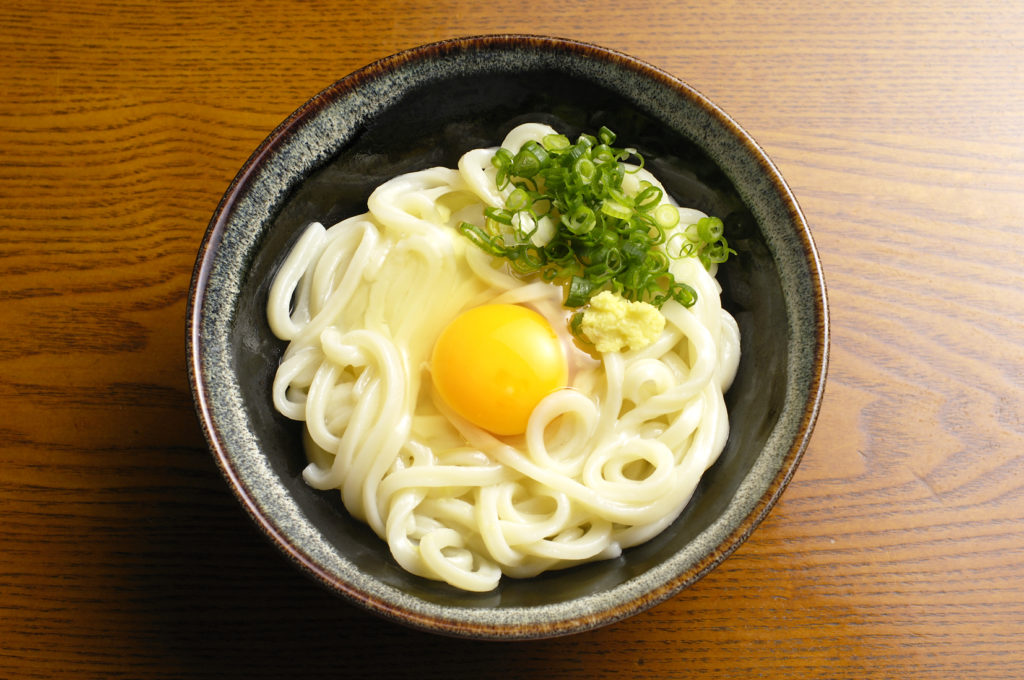
Wondering what kinds of udon there are? Udon — Japan’s beloved thick wheat noodles — comes in many varieties depending on the toppings, broth, and region. In this guide, I’ll walk you through the 6 most popular types of udon you’ll find across Japan, explain what makes each one unique, and share the cultural concepts that real udon lovers care about (like “koshi” and “nodogoshi”).
Whether you’re planning a trip to Japan, learning Japanese, or just curious about udon culture, this article will help you order with confidence — and understand why udon is considered Japan’s true soul food.
👉 Want to talk about Japanese food with native speakers? Join Ohanasi Kagawa for free →
What Is Udon? A Quick Introduction
Udon are white, thick noodles made from wheat flour. They’re one of the most popular noodle dishes in Japan, alongside ramen and soba.
There are two basic ways to enjoy udon:
- Hot udon — served in a warm soup broth, perfect for cold weather
- Cold udon — chilled noodles served with dipping sauce or cold broth, ideal for summer
Both are eaten with traditional Japanese soup stock (dashi) made from kombu (kelp), katsuobushi (bonito flakes), or both.
Why Is Kagawa Known as the “Udon Prefecture”?
Kagawa Prefecture, home of Ohanasi Kagawa, is famous nationwide for its udon. Locals here eat udon for lunch two or three times a week, and the prefecture is filled with delicious udon restaurants offering generous portions at very reasonable prices.
Kagawa’s signature style — Sanuki Udon — is known for its firm, chewy texture and has become a benchmark for udon lovers across Japan. If you ever visit Japan, Kagawa is well worth the trip for udon alone.
6 Types of Udon You Should Know

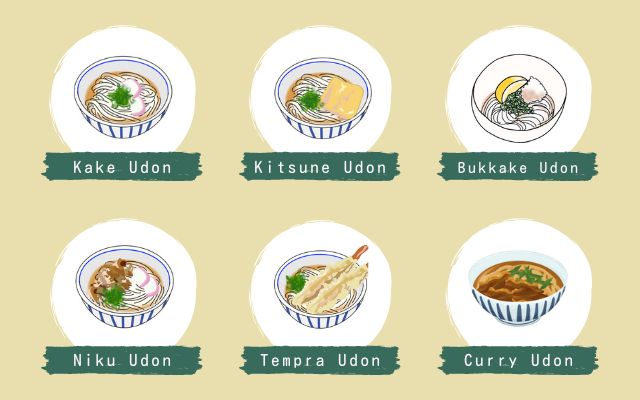
Udon comes in many forms depending on the toppings and broth. Here are the 6 most common types you’ll see at udon restaurants across Japan.
1. かけうどん (Kake Udon) — The Classic
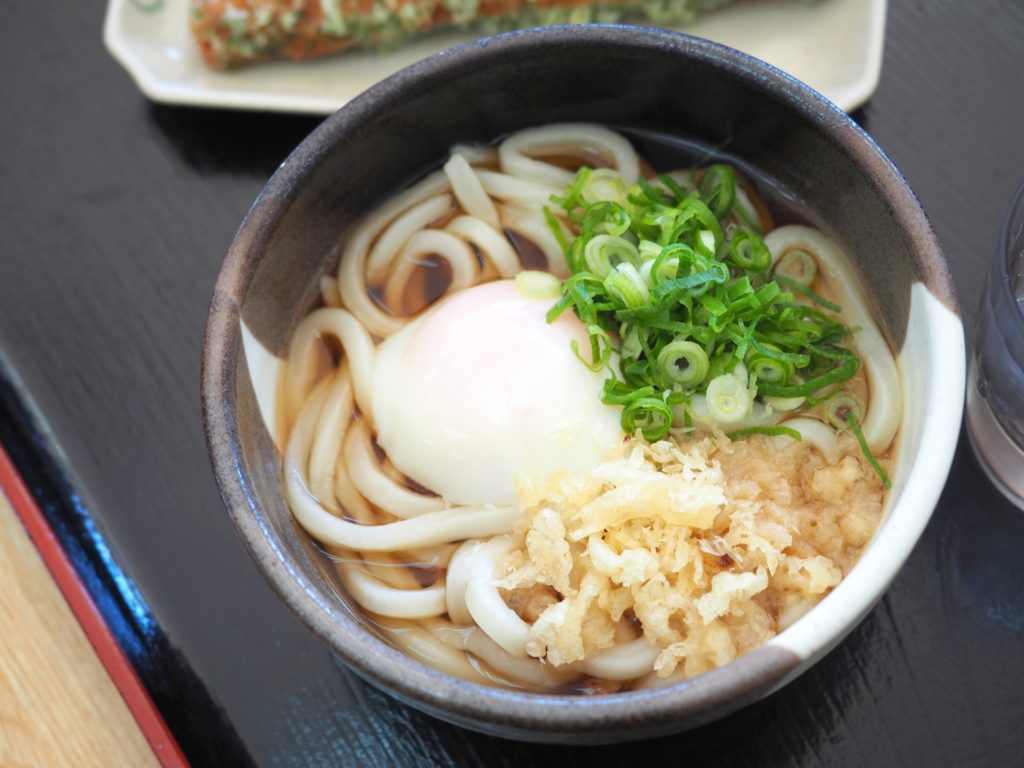
Kake udon is the simplest form: just noodles in a warm dashi-based broth. No toppings, no frills — this is the dish where you can truly appreciate the quality of the noodles and the depth of the broth. If you want to taste “pure” udon, start with kake udon.
2. きつねうどん (Kitsune Udon) — Sweet Fried Tofu
Kitsune udon is topped with aburaage — fried bean curd simmered in a sweet and savory sauce. The sweetness of the tofu balances beautifully with the umami of the broth. The name “kitsune” (fox) comes from a Japanese folk belief that foxes love fried tofu.
3. ぶっかけうどん (Bukkake Udon) — Bold and Concentrated
Bukkake udon features boiled noodles topped with a thick, concentrated broth (rather than swimming in soup). It’s often served cold with toppings like grated daikon, green onion, and tempura crumbs. The bold flavor and chewy texture make it a favorite for udon purists.
4. 肉うどん (Niku Udon) — Hearty and Filling
Niku udon tops the noodles with thinly sliced beef or pork, simmered in a sweet soy-based sauce. The meat adds richness to the broth, making this one of the most satisfying udon variations — especially in winter.
5. 天ぷらうどん (Tempura Udon) — Crispy and Indulgent
Tempura udon is topped with freshly fried tempura — usually shrimp, vegetables, or both. The contrast between the crispy tempura and the soft, slurpy noodles is what makes this dish special. Pro tip: eat the tempura quickly before it gets too soggy in the broth!
6. カレーうどん (Curry Udon) — A Japanese Comfort Favorite
Curry udon swaps the traditional dashi broth for Japanese curry sauce, creating a rich, slightly spicy noodle dish. It’s a relatively modern variation, but it’s now one of the most popular udon styles in Japan. Just be careful — the curry splatters easily!
Where Can You Eat Udon in Japan?
The good news: udon is available almost everywhere in Japan. Here are the main places you can find it:
- Udon specialty restaurants — for the best quality and authentic experience
- Traditional Japanese restaurants — often part of a wider menu
- Self-service udon shops in food courts — surprisingly delicious and affordable
- Chain restaurants like Marugame Seimen or Hanamaru Udon — fast, cheap, and tasty
Even at convenience stores, you’ll find decent instant udon options if you’re in a hurry.
Understanding “Koshi” — The Key to Great Udon

If you want to talk udon with Japanese people, there’s one word you absolutely need to know: こしがある (koshi ga aru), meaning “firm” or “has bite.”
Udon with koshi is chewy and resilient — the noodles have a satisfying bite that holds up against the broth. This is similar to the Italian concept of al dente in pasta.
Sanuki udon from Kagawa Prefecture is the gold standard for koshi. The noodles are so firm they almost “bounce back” when you bite into them.
That said, not all Japanese udon has koshi:
- Kansai region (Osaka, Kyoto) — softer, gentler udon
- Kyushu region — soft and chewy, often paired with sweet, lighter broth
The fact that each region from Hokkaido to Okinawa has its own udon style shows just how deeply this dish is woven into Japanese culinary culture.
“Nodogoshi” — The Pleasure of Slurping
Another key concept in Japanese noodle culture is のどごしがいい (nodogoshi ga ii), which roughly translates to “good throat-feel.”
It describes how smoothly the noodles slide down your throat. In Japan, slurping noodles isn’t rude — it’s actually a sign that you’re enjoying them, and it enhances the flavor by pulling in air with each slurp.
Nodogoshi is especially important for soba and ramen, but it’s also valued in certain styles of udon. Next time you eat noodles in Japan, don’t be afraid to slurp loudly — locals will appreciate it!
📚 Want to practice ordering udon in Japanese? Join a free Ohanasi Kagawa event and chat about Japanese food with native speakers →
Udon as the Perfect “Shime” for Hot Pot

One of the most beloved traditions in Japanese hot pot (nabe) culture is shime (締め) — the closing course where you add a starchy ingredient to soak up all the remaining broth.
There are three classic shime options:
- Udon — chewy and substantial
- Rice — turned into ojiya (rice porridge)
- Ramen — for a heartier finish
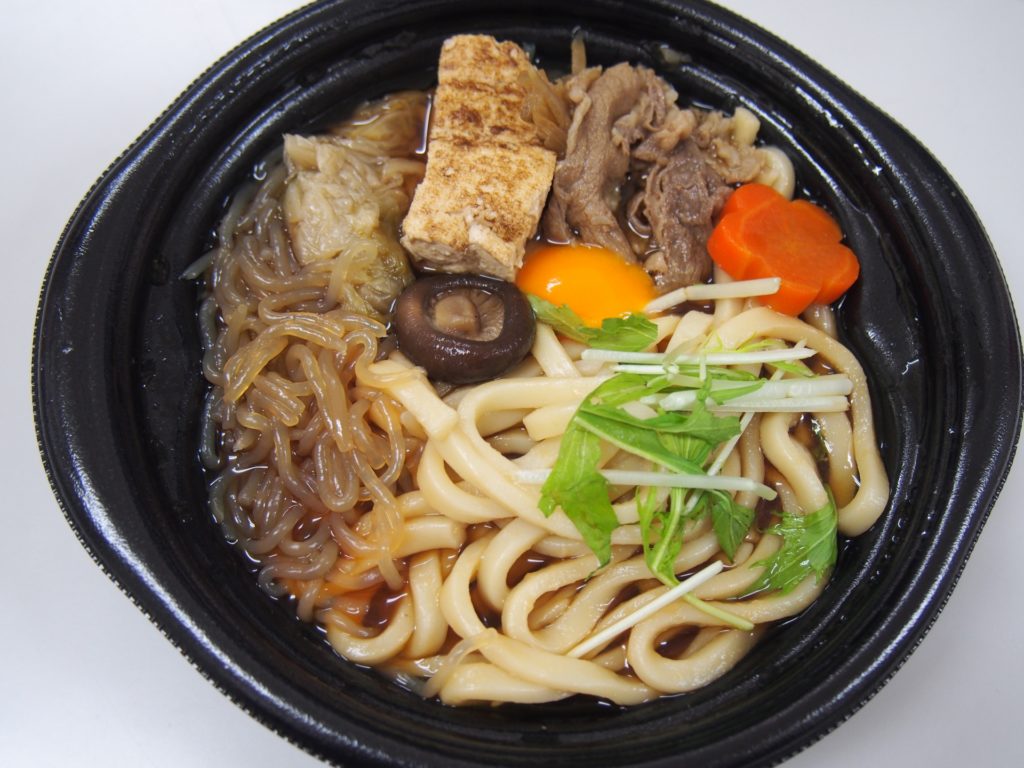
Udon is especially popular as the shime for sukiyaki. The thick noodles soak up the sweet and savory broth with dashi, creating an incredibly satisfying final bite.
If you ever have sukiyaki with Japanese friends, try saying:
「シメはうどんで!」(Shime wa udon de!) — “I’ll have udon for shime!”
You’ll instantly be recognized as a foreigner who really understands Japanese food culture.
Final Thoughts: Udon Is More Than Just Noodles
Udon may look simple — just thick wheat noodles in broth — but as you’ve seen, there’s a whole world of varieties, regional styles, and cultural concepts behind it. From the firm Sanuki udon of Kagawa to the soft, sweet udon of Kyushu, every region has its own take on this Japanese soul food.
Next time you visit Japan (or your local Japanese restaurant), try ordering one of the 6 types we covered. Pay attention to the koshi, slurp with confidence, and don’t forget to ask for udon as shime if you’re at a sukiyaki dinner!
Practice Speaking Japanese with Real Native Speakers
At Ohanasi Kagawa, we connect Japanese learners from around the world with native Japanese speakers for free language exchange events every weekend:
- Join a free online event from anywhere in the world
- Get paired 1-on-1 with a native Japanese speaker
- 15 minutes in Japanese, 15 minutes in English
- Beginner-friendly — mistakes are always welcome!
- 5,000+ members from 55+ countries
You don’t need to be in Japan to start practicing real Japanese — and talking about food is one of the best ways to get started.
👉 Join Ohanasi Kagawa for free and start speaking Japanese today!